

Women and Heart Valve Disease
Heart valve disease can affect women differently than men; women may experience different symptoms, have different presentation, face delays in diagnosis and treatment, and have unique considerations throughout their care. Understanding these differences can help you identify heart valve disease earlier and advocate for your heart health throughout your patient journey.
Heart valve disease is a common, serious condition that can be fatal if left untreated without monitoring. The good news is that it is treatable, especially if detected early.
While risk of heart valve disease increases with age, it can affect women at any age. This condition may be something you were born with, or that develops during your life.

Signs and Symptoms in Women
awareness
There are several symptoms of heart valve disease:
feeling faint or dizzy
feeling fatigued
shortness of breath
a fast or irregular heart rate
swollen legs
chest pain
reduced ability to stay active
“Trust Your Symptoms
Women are sometimes told that their symptoms are part of aging, stress, or a busy lifestyle. If symptoms are new, worsening, or affecting your daily activities, speak with your healthcare provider and ask them to listen to your heart. ”
Women and men can experience many of the same symptoms, but women may be more likely to report symptoms such as fatigue, shortness of breath, or feeling faint.
Heart valve disease can also have no symptoms (this is called “asymptomatic”).
Why heart valve disease may be missed in women
Women’s heart valve disease can be missed for several reasons:
Symptoms may feel mild and be dismissed as part of aging, stress, menopause, or other health conditions
Women may delay seeking medical attention while working, and/or caring for family members or others
Symptoms such as fatigue or shortness of breath may be overlooked because they can develop gradually
Heart valve disease may not be suspected until symptoms become more severe
Download our symptom tracker if you have any symptoms and talk to your healthcare provider.
If you feel that something is wrong, keep asking questions and speaking up for yourself.
Read Kathy’s patient story.
How family history impacts your heart health
Some forms of heart valve disease can run in families, including bicuspid aortic valve (when the valve has 2 leaflets instead of 3) and mitral valve prolapse (when the valve is floppy and does not close properly). If a close family member has heart valve disease, talk to your healthcare provider about your own risk.
This is especially important if you are planning a pregnancy.
Learn more about pregnancy risks, aging and other life events can affect women’s heart health as well.
Other heart health risk factors: childhood illnesses, some cancer treatments, and auto-immune diseases
Certain health conditions can raise your risk of heart valve disease.
Rheumatic fever
Rheumatic fever can occur after an untreated bacterial infection (Group A Streptococcus) and may damage the heart valves. Although uncommon in many parts of Canada today, it remains an important cause of heart valve disease in some communities and regions of the world.
Cancer radiation treatment
Some cancer treatments, including radiation therapy to the chest, can affect the heart years after treatment. Women who have received radiation therapy for any chest or neck cancer, such as breast cancer, may have an increased risk of developing heart valve disease later in life.
Talk to your healthcare provider about whether ongoing heart monitoring is appropriate for you.
Auto-immune diseases and heart valve disease
Some auto-immune diseases, including lupus, rheumatoid arthritis, and psoriasis, are associated with increased inflammation that can affect the heart and may increase the risk of cardiovascular disease, including heart valve disease.
If you have these or other auto-immune disorders, speak with your health care provider about their potential impact on your heart.
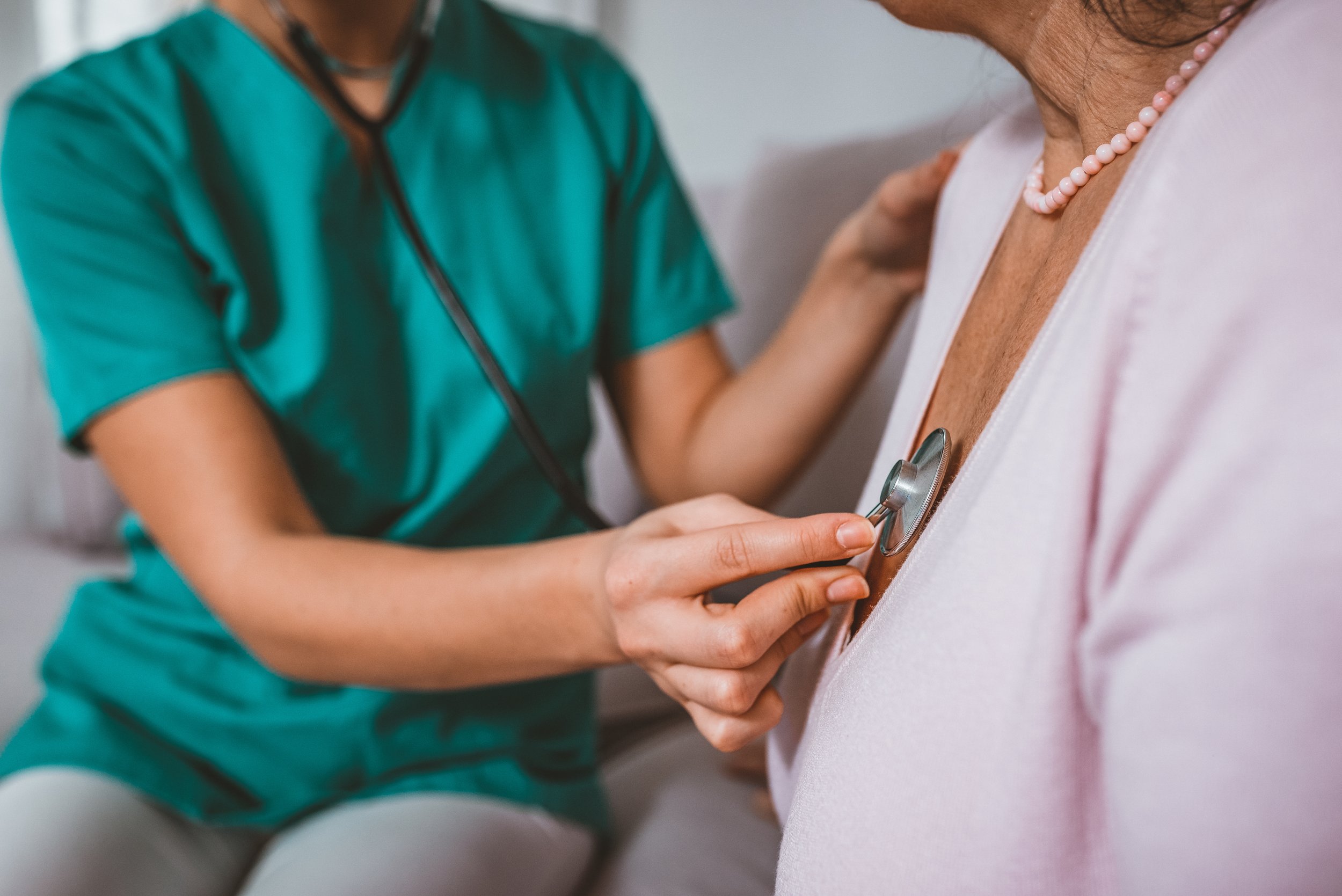
Early Detection
“Women are 29% less likely than men to have their heart listened to with a stethoscope by a primary care provider, leading to missed opportunities for early detection.
A stethoscope check can be the first step in detecting heart valve disease before symptoms become severe, or in women with asymptomatic valve disease. If you have symptoms or risk factors, do not hesitate to ask your healthcare provider to listen to your heart. ”
Why early detection of heart valve disease matters for women
Heart valve disease is treatable: the earlier it’s detected, the better it can be managed.
Many women live with symptoms for months or even years before receiving a diagnosis because symptoms may be mistaken for aging, stress, menopause, or other health conditions.
Why a stethoscope check matters for women
A stethoscope check is one of the simplest ways to identify a potential heart valve issue.
During a routine examination, a healthcare provider can listen for an abnormal heart sound called a heart murmur. While not all murmurs are caused by heart valve disease, they can be an important clue that further testing is needed.
If a murmur is detected, your healthcare provider may recommend an echocardiogram, an ultrasound that creates pictures of your heart and its valves.
When should women ask for a stethoscope check?
Consider asking your healthcare provider to listen to your heart if you:
Experience shortness of breath, fatigue, dizziness, chest discomfort, or reduced ability to stay active
Have a family history of heart valve disease
Had rheumatic fever or repeated strep infections as a child
Have received radiation treatment to the chest
Had menopause before age 45
Are over age 60
Are planning a pregnancy and have known or suspected heart valve disease

Diagnosis, monitoring and treatment of heart valve disease in women
Diagnosis
How is heart valve disease diagnosed in women?
If you are diagnosed with heart valve disease, you may be referred to a cardiologist or a specialized heart valve clinic.
Your care team will monitor your heart and talk with you about treatment options, if needed.
Learn more about the specific types of heart valve diseases:
The importance of monitoring
Not everyone with heart valve disease needs treatment right away.
If your condition is mild or moderate, your healthcare team should follow you with regular checkups and heart imaging tests, such as echocardiograms, to monitor your valve(s) over time.
Even if you feel well, it is important to go to all scheduled appointments. Heart valve disease can change over time, and regular monitoring helps make sure treatment happens at the right time. Inviting a family member to attend appointments with you can ease anxiety, provide an extra pair of ears to remember instructions, and help you advocate for your needs.
Heart valve disease can sometimes get worse quickly, even if symptoms were mild at first or not noticeable. Pay close attention to activities that become harder over time, such as walking uphill, climbing stairs, carrying groceries, or keeping up with family members.
What is shared decision-making in heart valve treatment?
Shared decision-making means working with your care team to discuss your goals and treatment preferences and making this discussion part of your treatment plan.
Your goals and lifestyle are important when choosing the treatment that is right for you. Different treatment options can impact you in different ways, both directly after treatment and through your stages of life. Talk with your heart team about your options and ask questions until you have all the information you need to make an informed decision.
Some women may feel uncomfortable asking questions or speaking up about what matters to them, but this is an important step in your decision-making process. Consider bringing a family member, friend, or caregiver to appointments. They can help you remember information, ask questions, and support decision-making.
Get the shared-decision making guide
Get the Shared decision-making patient checklist
“It is common to experience anxiety, worry, sadness, or changes in confidence after a diagnosis of heart valve disease or following treatment. These feelings are normal and support is available, speak with your healthcare provider for resources. ”
“Do not ignore changes in how you feel. If something feels different, make an appointment and talk to your healthcare provider.”
What affects heart valve treatment decisions for women?
Treatments for heart valve disease are based on several factors, including:
The type of valve disease you have
How severe the condition is
Your symptoms
Your age and overall health
Your body’s individual anatomy
Your personal goals and preferences
Women also have additional factors that can affect treatment decisions and outcomes:
Pregnancy: Women who plan to become pregnant after treatment should talk with their care team about the right treatment option for their individual situation, including what is best for their health, valve condition, and pregnancy plans.
Smaller hearts: Women tend to have smaller heart and valve structures, which can affect how procedures are planned and done.
Having smaller heart structures can increase the risk of "prosthesis-patient mismatch," where a replacement valve is slightly too small for the body size, causing the heart to pump harder. This is an important consideration for your healthcare team when making a treatment recommendation.
Delayed referrals: Many treatment recommendations are based on scientific studies that focused on men and do not consider differences specific to women's hearts. As a result, women may be referred for treatment later, when their valve disease is more advanced. Let your healthcare practitioner know how you are feeling; reporting your symptoms and their impact on your daily activities is very important.
Treatment guidelines: While many guidelines have been based on research in men, there is a move to recognize differences in women’s bodies, including the effects of hormones and anatomy. The European Society of Cardiology includes sex-specific considerations in its 2025 guidelines to help improve care for women.
“It’s important to feel that you’re a partner in your treatment decision. You should be able to express your goals and lifestyle preferences to your care team and be able to ask questions about the benefits and risks of each treatment option, both during treatment and after treatment through different stages of life.”

Women and heart valve disease across life stages
Hello, World!
“
Pregnancy puts extra stress on the heart because the body needs to pump more blood. If you are planning a pregnancy, it is important to understand your risk of heart valve disease.
”
If you are pregnant and living with heart valve disease, your cardiologist will monitor you carefully and tailor any medications for you and your baby’s safety. Care may include a cardiologist, obstetrician, nursing and other specialists working together to support you.
Pregnancy planning and heart valve disease
If you have heart valve disease, or think you may be at risk, talk to your healthcare provider before you become pregnant. You may be offered pre-pregnancy counseling to help you make decisions and plan your care.
Your healthcare provider may suggest a heart check before pregnancy. This may include listening to your heart with a stethoscope and, in some cases, having an echocardiogram. If the valve condition is more serious, you may be referred to a cardiologist or a specialized pregnancy heart team.
Family history and pregnancy planning
Some types of heart valve disease can run in families, including bicuspid aortic valve and mitral valve prolapse.
If a close family member has heart valve disease, tell your healthcare provider, especially if you are planning a pregnancy. A stethoscope check may find a heart murmur that needs more testing.
Childhood illness and pregnancy planning
Rheumatic fever can happen after an untreated strep infection. It can damage the heart valves and lead to rheumatic heart disease, sometimes many years later.
If you had rheumatic fever as a child, had repeated strep infections, or are unsure about your risk, talk to your healthcare provider. This is especially important if you are pregnant or planning a pregnancy.
First Nations, Métis, Inuit and newcomers to Canada
Rheumatic fever is now uncommon in many parts of Canada, but the risk is still higher in some communities and among people who have lived in countries where it is more common.
In Canada, rheumatic fever is more common in some First Nations, Métis, and Inuit communities. Risk may also be higher for women who moved to Canada from parts of Oceania, sub-Saharan Africa, and South Asia, where rheumatic fever is more common.
If you think you may have had rheumatic fever, or if you are from one of these higher-risk communities, ask your healthcare provider to listen to your heart, especially if you are planning a pregnancy.
Menopause and heart valve disease
The risk of heart valve disease increases with age for both men and women, especially after age 60. Women may also have factors that affect their risk in different ways.
Menopause generally occurs between ages 49 and 52. After menopause, changes in hormones and cardiovascular health may contribute to changes in the heart and blood vessels.
Menopause can cause symptoms such as fatigue, heart palpitations, poor sleep, and a reduced ability to stay active. Because some of these symptoms overlap with heart valve disease, it is important to track new or worsening symptoms.
Some research suggests that earlier menopause may be linked with a higher risk of cardiovascular disease, including some changes that affect the heart valves.
If you go through menopause early (before age 45), or if you have symptoms or risk factors for heart valve disease, talk to your healthcare provider.
Heart valve disease can affect women at different times in life. Pregnancy, menopause, getting older, family history, and some childhood illnesses can all affect your risk.
Pregnancy and heart valve disease
Many women with mild valve disease can have a safe pregnancy with the right care. But some valve issues can raise the risk for both mother and baby.
Some women first learn they have heart valve disease during pregnancy. The body’s need to pump more blood during pregnancy can bring an unknown valve problem to light. Symptoms can include a reduced ability to stay active, shortness of breath, chest discomfort, dizziness, fainting, swelling, or unusual tiredness. Some of these can also happen in a normal pregnancy, so talk to a healthcare provider if symptoms are new, severe, or worrying.

recovery
Recovery after heart valve disease intervention: getting back to life!
“According to the Canadian Women’s Heart Health Centre, women are 1.5 times less likely to be referred to cardiac rehabilitation than men. ”
Common barriers women face
Women may find it harder to attend cardiac rehabilitation because of:
Caregiving responsibilities
Work commitments
Transportation challenges
Limited awareness of available programs
Anxiety, depression, or fatigue after treatment
Cultural or language barriers
Lack of women-focused programs
A lack of physician referral
“ If you have undergone heart valve surgery or another valve procedure, ask your healthcare team whether cardiac rehabilitation is right for you. You do not always need to wait for a referral to start the conversation.”
Programs for women
All cardiac programs can take women’s needs into consideration. However, some women benefit from women-focused programs (focused specifically on the unique needs of women) and women-only programs (attended only by those identifying as women), although availability varies by region.
These programs are designed to better address women’s needs and may provide a more comfortable environment to discuss women-specific concerns and experiences. They focus on physical and social needs, as well as emotional. Many women experience anxiety, low mood, fear, or changes in confidence during recovery, and these programs can help navigate this period. Ask if these programs are available near you.
Find a rehabilitation program near you
You may have several options for rehabilitation, including local, online and women’s only sessions. Search the Canadian Women’s Cardiovascular Rehabilitation Directory from the Canadian Women’s Heart Health Centre.
More programs and resources for women with heart valve disease
Aortic Stenosis in Women: A Guide for Patients, highlights symptoms and explains diagnosis and treatment options, Global Heart Hub.
Beyond the Heart: Her Mind Matters, a women-specific webinar on managing your emotional wellbeing after a heart event, University Health Network.
Cardiac College for Women, information and resources for women, from the University Health Network, Cardiovascular Prevention & Rehabilitation Program.
Enjoying a healthy relationship and sexual intimacy, resources on sexual intimacy and how heart disease can affect it, from the University Health Network, Cardiovascular Prevention & Rehabilitation Program.
Engaging Women in Cardiovascular Rehabilitation, information on the importance of cardiac rehabilitation for women, Canadian Women’s Heart Health Centre.
Expert advice on valve disease and oral health, learn how heart health and the health of your teeth, gums and mouth are closely connected, Heart Valve Voice Canada.
Woman at Heart: offers virtual support groups to women after a heart event. Program from the University of Ottawa Heart Institute.
Women’s Cardiovascular Health Initiative: resources for women, from the Libin Cardiovascular Institute, part of the University of Calgary.
What is a cardiac rehabilitation program?
Cardiac rehabilitation is one of the most effective ways to improve heart health after treatment. It is a medically supervised program that helps people recover after heart treatment or living with a heart condition.
It combines exercise, education, emotional support, and practical strategies to help you regain confidence and improve your heart health. Programs can take place in a medical or community centre, and can be virtual or home-based, depending on the options in your area.
Why cardiac rehabilitation matters for women
Cardiac rehabilitation can improve quality of life, increase confidence, help people return to daily activities, and reduce the risk of future heart-related problems. These programs also provide emotional support to manage stress and depression to help you focus on recovery. It is common to experience anxiety, worry, sadness, or changes in confidence after treatment. These feelings are normal and support is available through rehabilitation programs.
Recovery is not just about healing your heart, it means getting back to doing the things that matter most to you in your daily life. That can mean different things to different women, and may include:
Returning to work
Caregiving
Exercise
Intimacy and sexual activity
Confidence in daily activities
Your recovery goals matter and should be part of your care plan.