“I had a Ross procedure at 39”
February 3, 2026
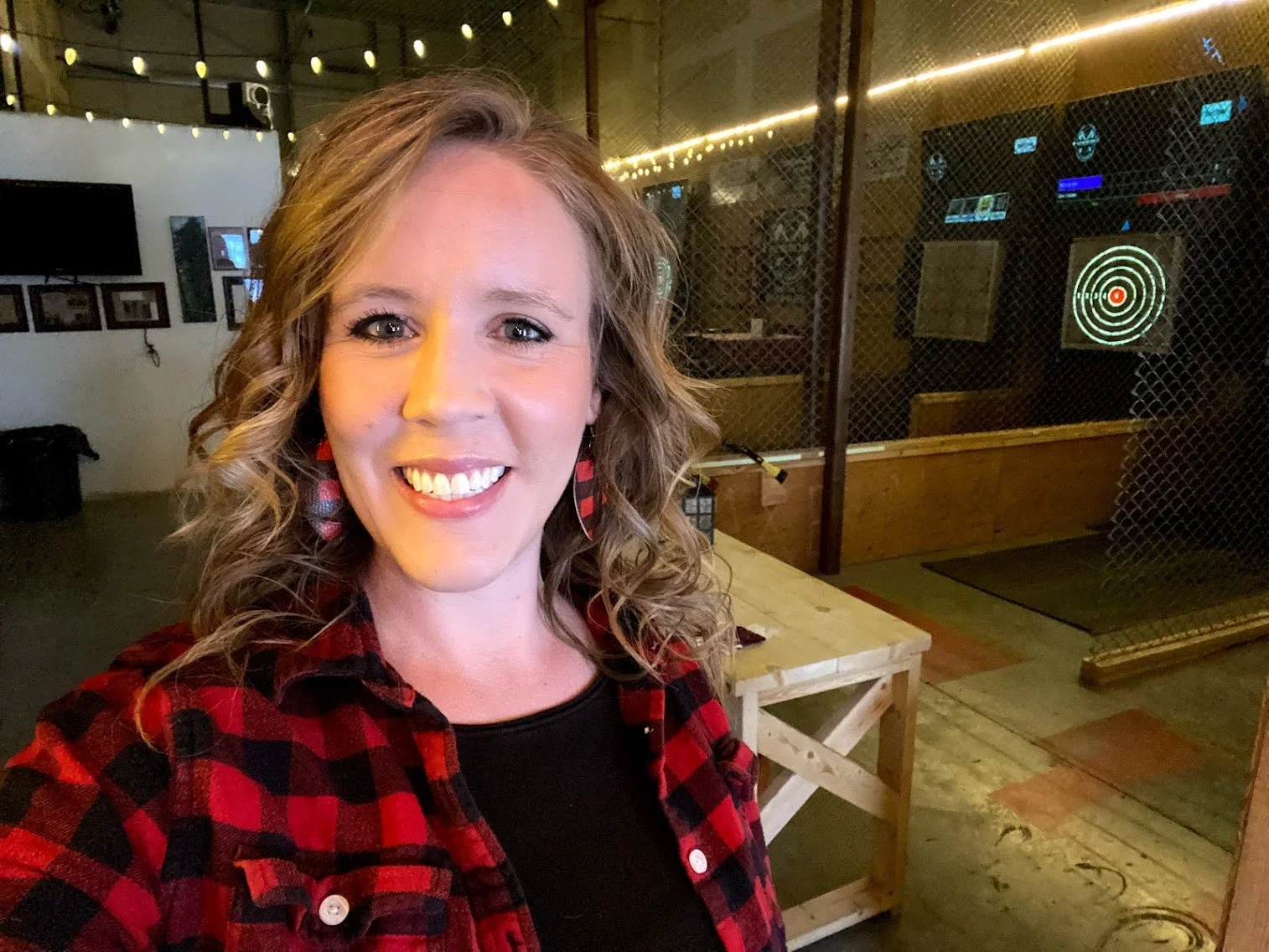
Keri was 38 when her bicuspid aortic valve started to deteriorate.
Six months before Keri Pratt turned 39, her aortic valve began to deteriorate. Keri was leading an active life as a mother of two and an entrepreneur in Sylvan Lake, Alta. She saw a cardiologist annually to monitor her valve.
Now, the cardiologist suggested she could be a candidate for the Ross procedure, a complex surgery to replace the aortic valve. Keri shared her story with Heart Valve Voice Canada.
How did you first learn you had valve disease?
At a routine medical exam in my 30s, my family doctor said, “You've got a heartbeat that sounds really unique.” He referred me to a cardiologist in Calgary, who did an echocardiogram, an ECG, and a stress test. The results showed that I had a bicuspid aortic valve.
The cardiologist told me I would probably need open-heart surgery in the future, but that was likely 10-plus years away. Meanwhile, he would see me every year to monitor the valve. For several years, that went fine; I passed the heart tests with flying colours.
What changed?
Six months before I turned 39, my cardiologist told me the valve had started to deteriorate. That’s when he brought up the possibility of the Ross procedure.
What is the Ross procedure?
The surgeon takes out your damaged aortic valve and replaces it with your own pulmonary valve. Then he puts a donated human valve where your pulmonary valve was. The procedure results in excellent life expectancy and quality of life.
The Ross procedure is usually done on children and young, active people who don’t have bigger health problems. When I learned about this option, in 2016, the cut-off age was 40. So, my family and I had to make a decision quickly. (Today the Ross procedure is available to some older patients, with eligibility based on individual circumstances.)
If I decided against the Ross procedure, the alternative might be to one day get a mechanical valve, which would require a lifetime of blood thinning medication. With the Ross procedure, this would not be necessary.
What was it like, making that decision?
My kids were 10 and 12 at the time. We had some long family discussions about my situation. Then my husband, Trevor, and I made the big decision to get the surgery done. It was a leap of faith because I felt healthy at the time, even though my heart was deteriorating.
So, my cardiologist submitted my name to the only surgeon in Canada who did the Ross procedure at that time, Dr. Tirone David in Toronto. A couple of months after my 39th birthday, I got the call: my surgery was scheduled for a month later.
How did you prepare for surgery?
I couldn’t help but worry; my kids were really concerned about my surgery. Unbeknownst to them, I recorded videos for each of them, which included a personal message and singing their favourite bedtime song, so they would have a memory of me in case I didn't come home. I also wrote personal notes for both of my kids.
I had just opened the doors to my business, an axe-throwing venue, so I needed to find somebody to manage it. That was really stressful. One good thing that happened was, my mother-in-law came to stay for two weeks with our kids when Trevor and I flew to Toronto.
When we met Dr. David, he explained that my heart appeared to be a good candidate for the Ross procedure. “But when we get in there, it may be a different story,” he said. So, I had to choose between a mechanical or tissue replacement valve as a backup option. I chose a mechanical valve.
I spent the night before the operation in the hospital. There were lots of people praying for us, members of our church, extended family, and friends. I would normally have been quite anxious about my upcoming operation, but I felt quite calm and peaceful, and I actually slept well that night. My husband, on the other hand, slept horribly that night.
How did the operation go?
When Dr. David opened my chest, he found extra scar tissue. I had been treated for pericarditis, which is an inflammation around the heart, a few years earlier.
So he had to spend time cleaning that up. That meant Trevor was waiting a couple of hours longer than expected. Finally, Dr. David came into the waiting room and told him that everything had gone well with the Ross procedure.
Tell us about your initial recovery.
I spent a week in the hospital, and I have never been in that much pain. I was in intensive care for the first day and a half. As soon as I moved to the ward, the nurses had me sitting up; they do not let you rest! I was the youngest person, by far, in the ward.
After I was released, I thought I could walk to our hotel. It was only two blocks from the hospital, and I had been walking around the ward, so I figured it wouldn’t be hard to do. I was wrong.
We walked one block, very slowly, and stopped at a pharmacy to pick up my prescriptions. I sat down in a chair to rest and immediately fell asleep. I was exhausted! When we finally got to the hotel, I slept and slept.
Recovering that first week in a hotel bed was not ideal. I was in pain, and there were only so many hotel pillows available to help me sleep in an inclined position.
A week later, Dr. David told me my healing was on track, and cleared me to fly home to Alberta.
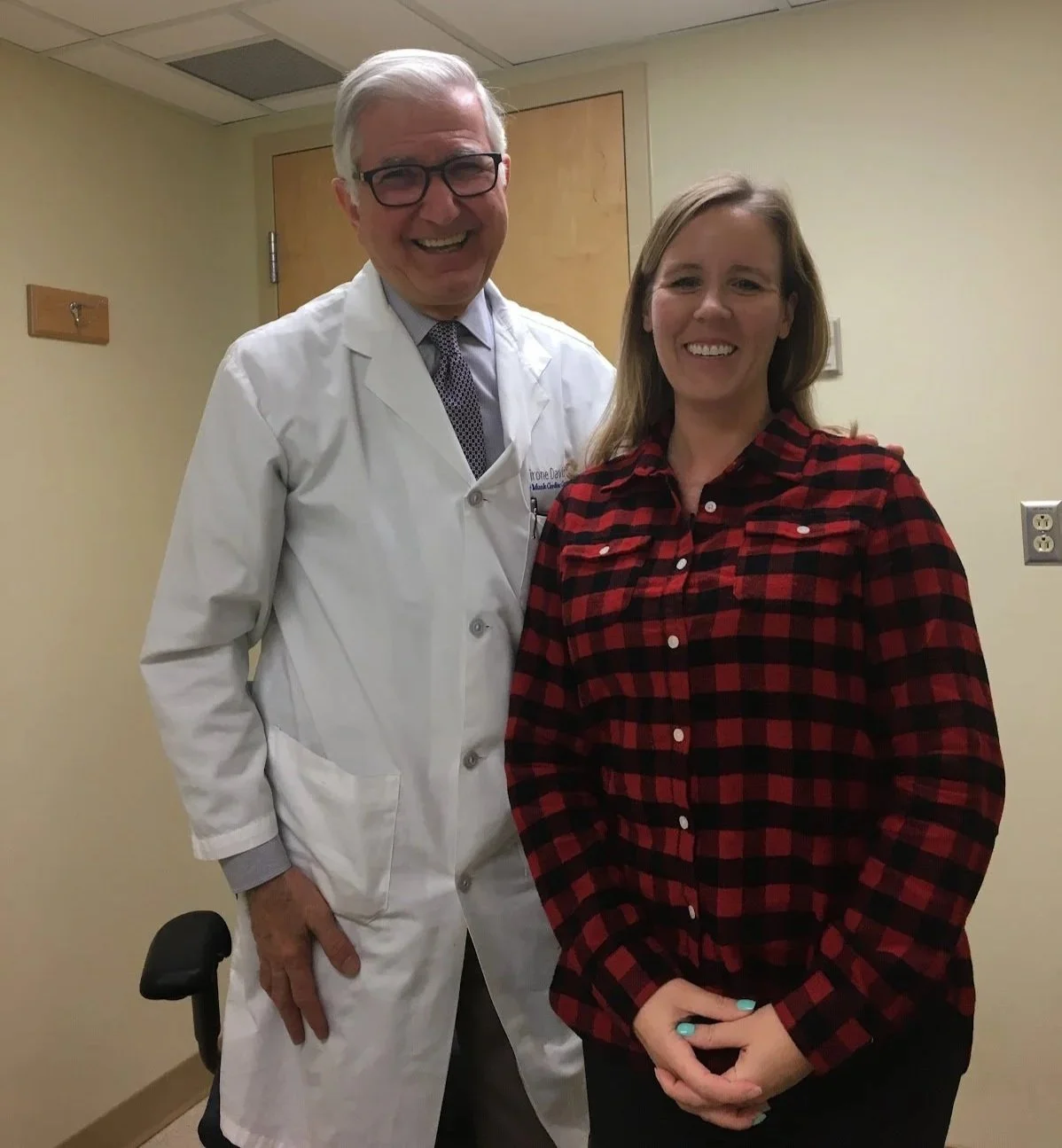
Keri with Dr. Tirone David two weeks after her surgery.
What was it like recuperating at home?
My kids were so excited to see me, and they wanted to hug me, but I couldn’t let them. I was very protective of my rib cage, and I was told by the doctor not to hug my kids yet; I knew it would hurt! That was really hard.
I remember feeling frustrated because I couldn't do anything. I had to walk up the steps one at a time, I couldn’t drive or make dinner, things I had done normally right up until we had flown to Toronto.
We had a recliner chair in our bedroom, and I slept in that for months, as I couldn’t be comfortable in bed and lie flat. That first month I tried to sleep a lot, but sleep didn’t come easily, so I was very tired all the time.
I also felt angry — upset and grumpy — and could not explain why. I'm not normally an unhappy person. I’ve learned now that it had to do with stress hormones, pain, the trauma of the operation. We tried to make light of it, by joking that maybe I had an angry person’s heart valve put in.
What helped you in your recovery?
Two months after my operation, I began cardiac rehabilitation three times a week at the Red Deer Regional Hospital. The program was great; they got me doing things such as wall push-ups, which I had been terrified to try.
Walking on the treadmill and being supervised by the nurses and the therapists was really good for me. It also got me out of the house in the dead of winter, which helped my mood.
The program unfortunately did not include any psychological or mental health support. I wish it had, because I was feeling things that I didn't understand, including depression and unexplained anger. I also experienced memory problems. I’ve heard this called “pumphead” — something that can happen after heart surgery.
Gradually, those feelings and memory issues improved as my body healed. But it probably took a good six months before I felt OK, and a full year before I felt “good again.”
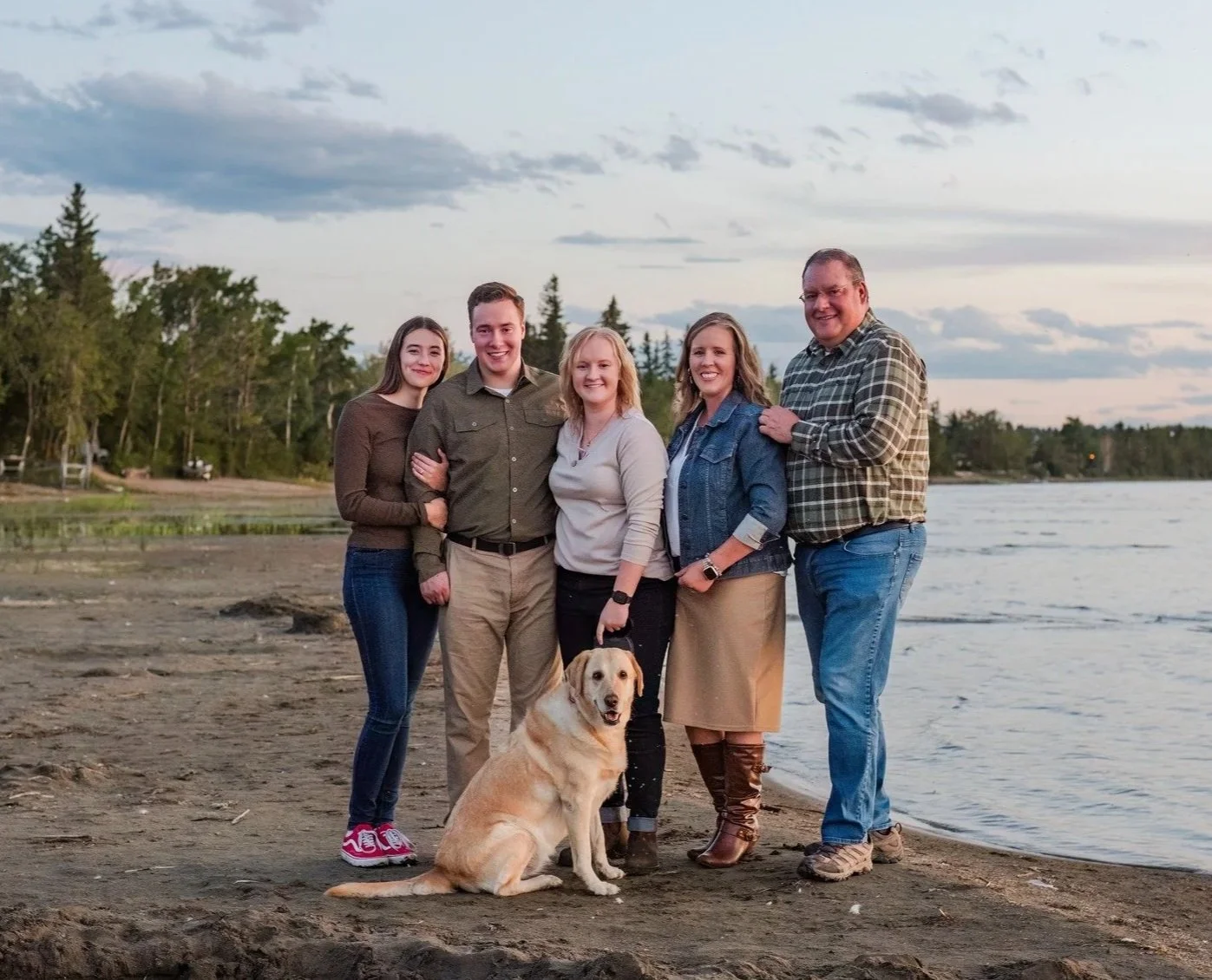
Keri and Trevor (at right), with (from left) their daughter-in-law Abbegail, son Keagan and daughter Lindley.
How are you doing today?
I'm close to 50 now and I’m doing great. People who don’t know about my surgery have no clue at all. My scar is small, so I need to be wearing a pretty plunging neckline for you to see it.
My heart pumps like it's supposed to. I still have follow-up appointments every year with my cardiologist, and a stress test to check on the valve. It has a little bit of regurgitation, but the team tells me everything's great.
Did you ever question your decision to have the Ross procedure?
I’m grateful that I had the opportunity to have the Ross procedure. It was a lot to go through. But looking back, I’m happy I got it done. I know the Ross procedure isn't appropriate for everyone with aortic valve disease. So I feel extremely grateful that my doctor presented that option to me.
Everyone is amazed when I tell them I have had open heart surgery, and that the valve is a human donor valve. I’m so grateful for my organ donor, they have given me the best gift, a working heart.