
Reflections from a patient with multiple conditions
June 15, 2026
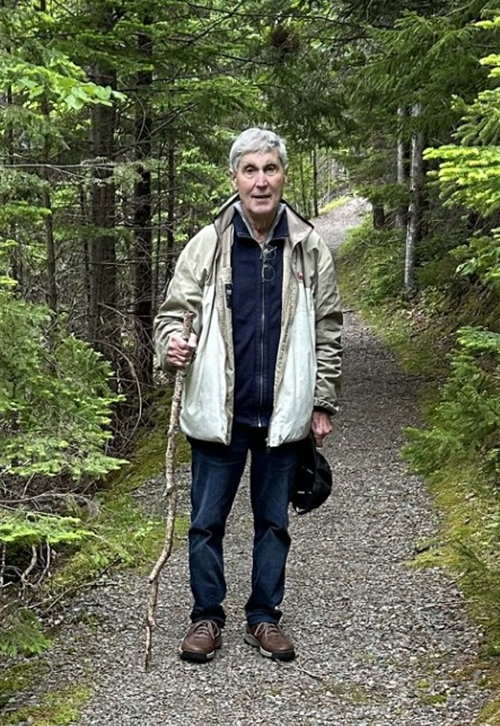
Len Crispino had open heart surgery to replace his aortic valve; six years later, his mitral valve was repaired using a non-invasive procedure. He has been treated for two different cancers. He lives with reduced heart function, kidney disease, and other medical issues.
Len understands what it means to be a patient with multiple conditions. He has seen the Canadian healthcare system from every angle. He knows what it feels like to be vulnerable.
As a board member of Heart Valve Voice Canada and a patient partner in numerous research studies, Len is committed to using his own experience to help others. We asked him to share what he’s learned.
You had open-heart valve surgery and a non-invasive valve repair. How did those experiences differ?
My original aortic valve surgery obviously took quite a bit of time. I was in hospital for a good week. And I experienced a lot of discomfort because of the surgery. There was a long recovery period and I had stitches all over my chest.
After the procedure to install a clip in my mitral valve, I felt very little discomfort. They went through the artery, so there was no chest incision. Typically, you go home the same day. I stayed in hospital overnight because they wanted to make sure that things were going well.
What does it mean to have multiple health conditions?
I don't see myself just as a cardiac patient. I'm a patient with a series of issues that impact on one another.
My heart condition was caused in part, they believe, by chemotherapy treatments I had received for cancer.
So now, when I go in for treatments, my medical team and I need to ask more questions. “Will it have an impact on my kidney? What happens if I take certain medications, and how do we balance the inevitable trade-offs?” That kind of thing.
Overall, I think our healthcare system needs to do a better job of looking at a patient more holistically — which raises the question about how best to manage care more holistically. This responsibility also rests with the patient.
What does a more holistic approach look like?
I think there's been considerable advancement in the system, recognizing the complexity of a patient with a multitude of issues. Today, it is more important than ever to look at the whole patient with a broader “internist” chronic disease lens. This is further supported by a system willing to work collaboratively across varies specialties.
For example, I might mention to one specialist that another doctor is considering changing my medication. And then that specialist might say, “Well, let me talk with Dr. Such-and-such, and find out why they want to do that.”
This kind of collaboration was not as prevalent five or 10 years ago. I’d like to see even more of it.
How can patients help themselves?
As a patient, I believe you have a responsibility to take an active role in your own care. That means being an advocate, so you are a fully engaged partner in the treatment process. It’s about raising the issues that you feel are important.
An engaged and responsive patient can lead to more successful treatment outcomes. It also further engages and inspires the medical team.
I try to stay informed about new research. But I’m not a medical expert. You can make suggestions and ask questions, but you need to respect and trust the expertise of your healthcare team. It’s all about discussion and dialogue.
How do you, as a patient, benefit from this kind of engagement with your healthcare team?
It inspires the doctors as well. It's not just one way.
They don’t dismiss me as a disruptor. Rather, it’s as if they’re saying, “This guy is just trying to take care of themselves. They're trying to communicate as best they can. Let me do whatever I can to work with this patient.”
That builds trust, which in turn brings emotional benefits.
I was in to see one of my cardiac specialists, and it wasn't the best of times. That doctor saw that I was concerned, and she put her arm on my shoulder and said, “Look, we'll deal with this.” It was a small human gesture but, a giant message of hope and support.
We can’t overestimate the value of that human connection. It can be as valuable as whatever medication may have been prescribed. So, the relationship with your healthcare provider is part of the care. That’s not something we often think about. This truly is a “circle of bravery” between patients and their medical team, underpinned by passion and courage.
How do you see the role of patients in medical research?
A patient participant on research studies is not just a symbolic gesture. It must be backed by a team that truly seeks and accepts the critically important patient perspective at the research table. The difference is in taking an active role, and in having your views weighed along with everyone else.
What gives you hope?
Healthcare providers are trying to do better in looking at the patient holistically. I see this now everyday. For example, when I see my nephrologist, they may say, “I think we should try this, but let me check with your heart failure person.”
Same thing with my heart failure specialist. “Before I do this, I want to check with your nephrologist.”
Personally speaking, I've always adopted the attitude that where there's hope and courage, there's a path. And hope itself is a powerful medicine. Discoveries and new treatment options are around us and by carving new roads, we can improve peoples’ lives. I am reminded of the Spanish poet Antonio Machado, who noted that the road is created by the steps we take and choices we make.
Regardless of challenges facing us, we also know that we have the opportunity to change. Patients and medical practitioners working together can uncover new roads.